Travel With Me to: The White Cliffs of Dover
“If these hills could talk” perhaps has no more fitting point than at the White Cliffs of Dover!

Travel With Me to:
The White Cliffs of Dover
Feelings felt: adventurous, exhausted, re-invigorated
“If these hills could talk” perhaps has no more fitting point than at the White Cliffs of Dover! I’m sure the cliffs have witnessed unbelievable seafaring and adventurers’ tales as men passed through the straights below and up the faces over thousands of years! On own my trek, I passed by a 960-year-old castle, descended a steep path cut into the rock (thought to be an ancient smuggling trail), passed through war tunnels, and traversed the rocky shoreline to touch a shipwreck from a hundred years ago.
I wanted to beat the tides to see a portion of the coastline only accessible during low tide, so I rose at 6:30 and set out early. I ended up walking 3.5 hilly miles & climbing two cliff faces before breakfast!
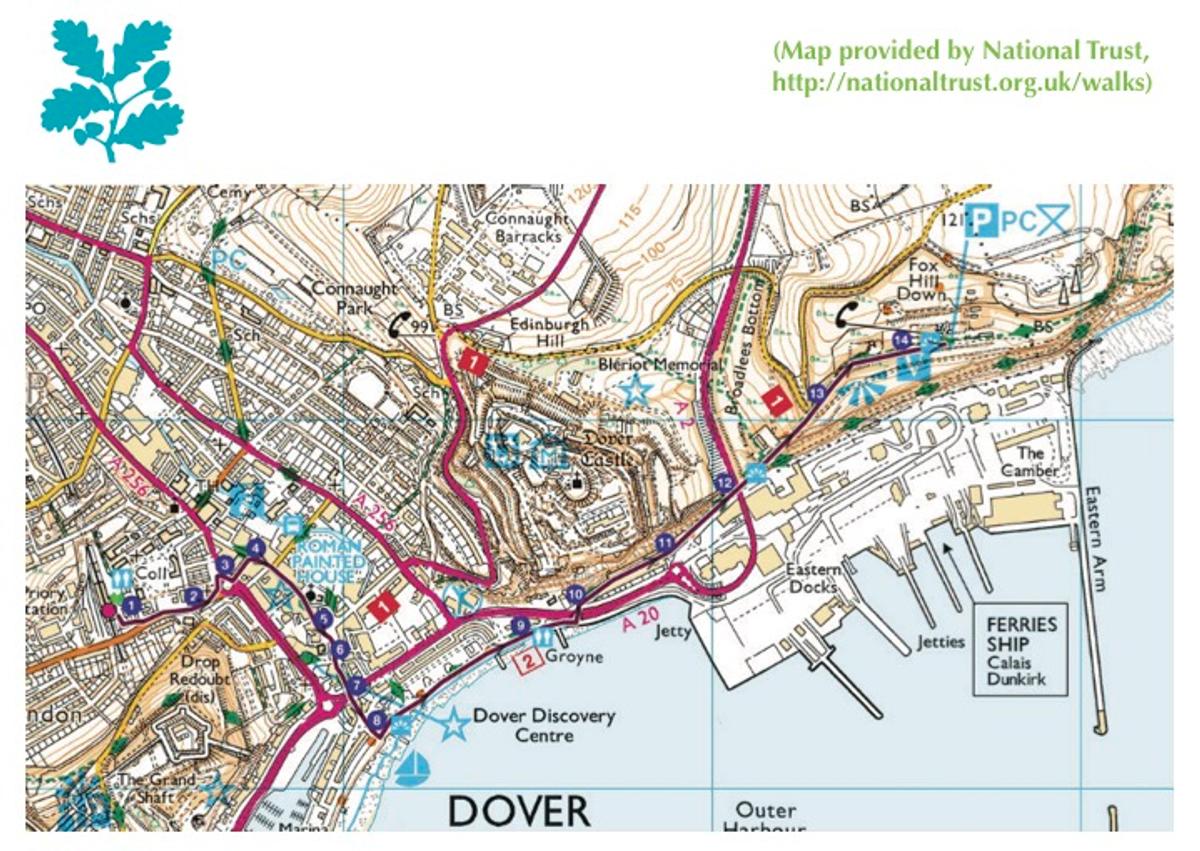
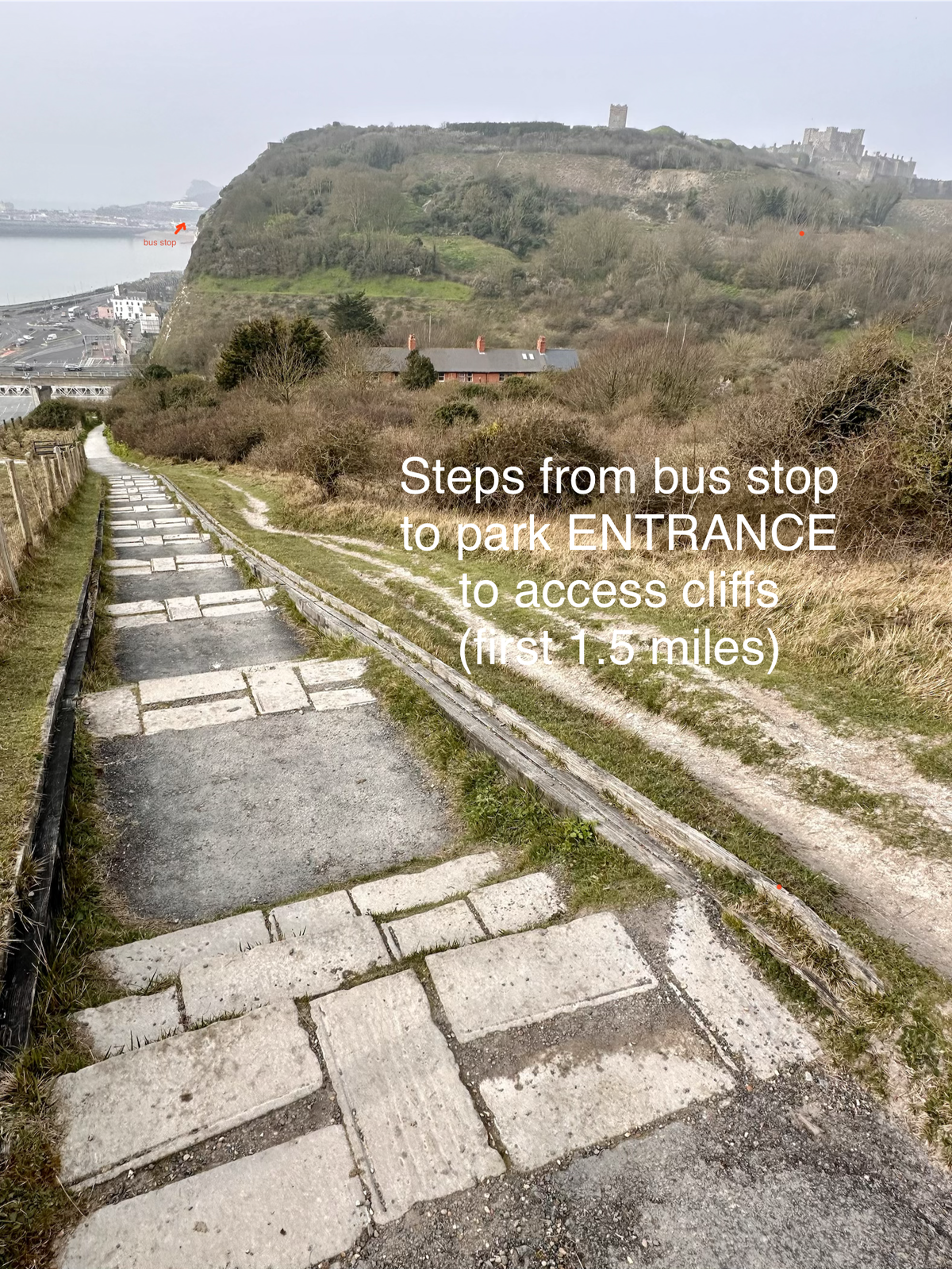
The National Trust oversees the Cliffs, providing accessible paths, a lovely visitors’ center with a café, clean restroom facilities, and plenty of parking. I, however, did not have a car and made the mistake of taking a bus to Dover from a nearby coastal town, Folkestone, then walking. The closest a bus or train will get to the Welcome Center is about 1.5 miles, and the recommended path involves a steep climb on an isolated hillside. This was actually the most difficult part of my day, as I didn’t want to stop for a breather and waste low-tide time!
Once on site, you can choose to follow a number of marked and unmarked trails. The more rugged paths will take you right down into Langdon Hole, or even to the base.
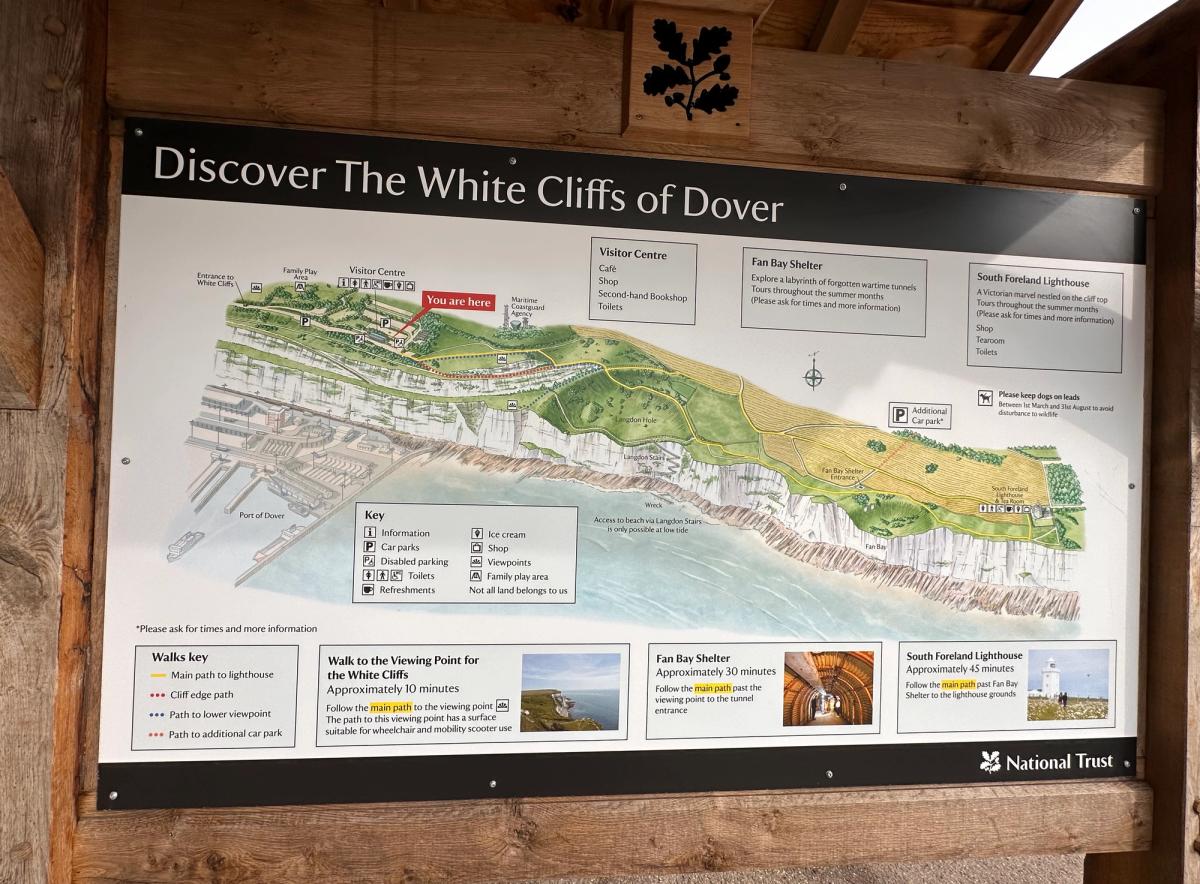
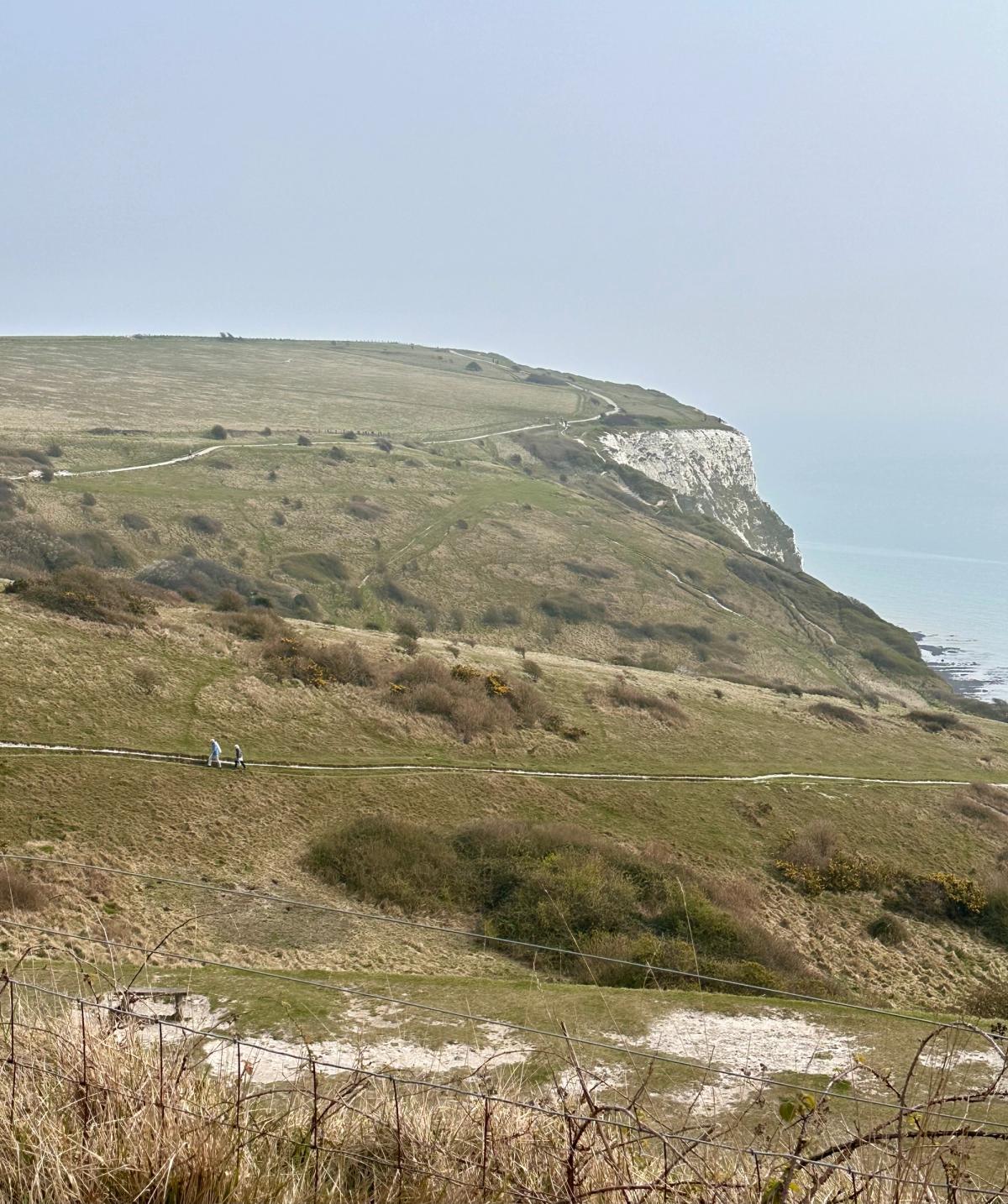
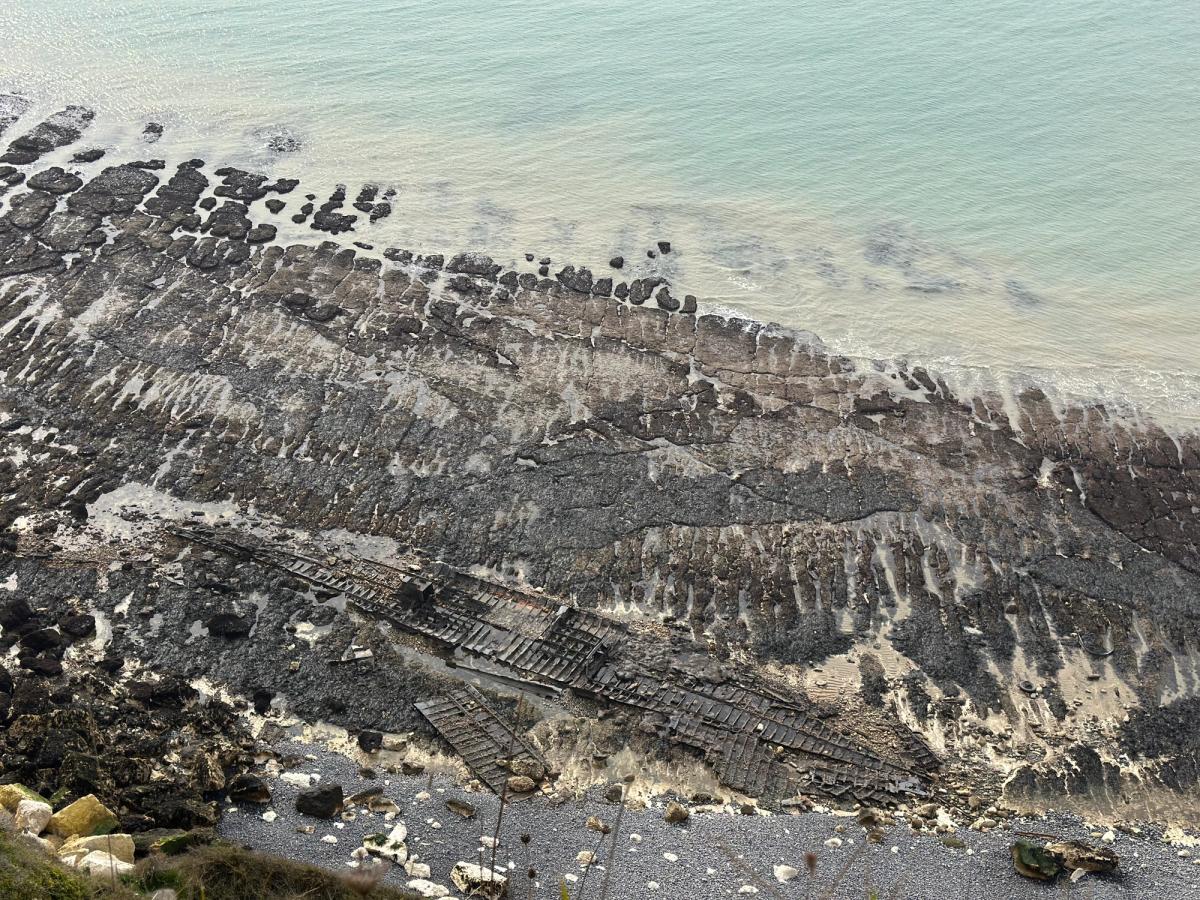
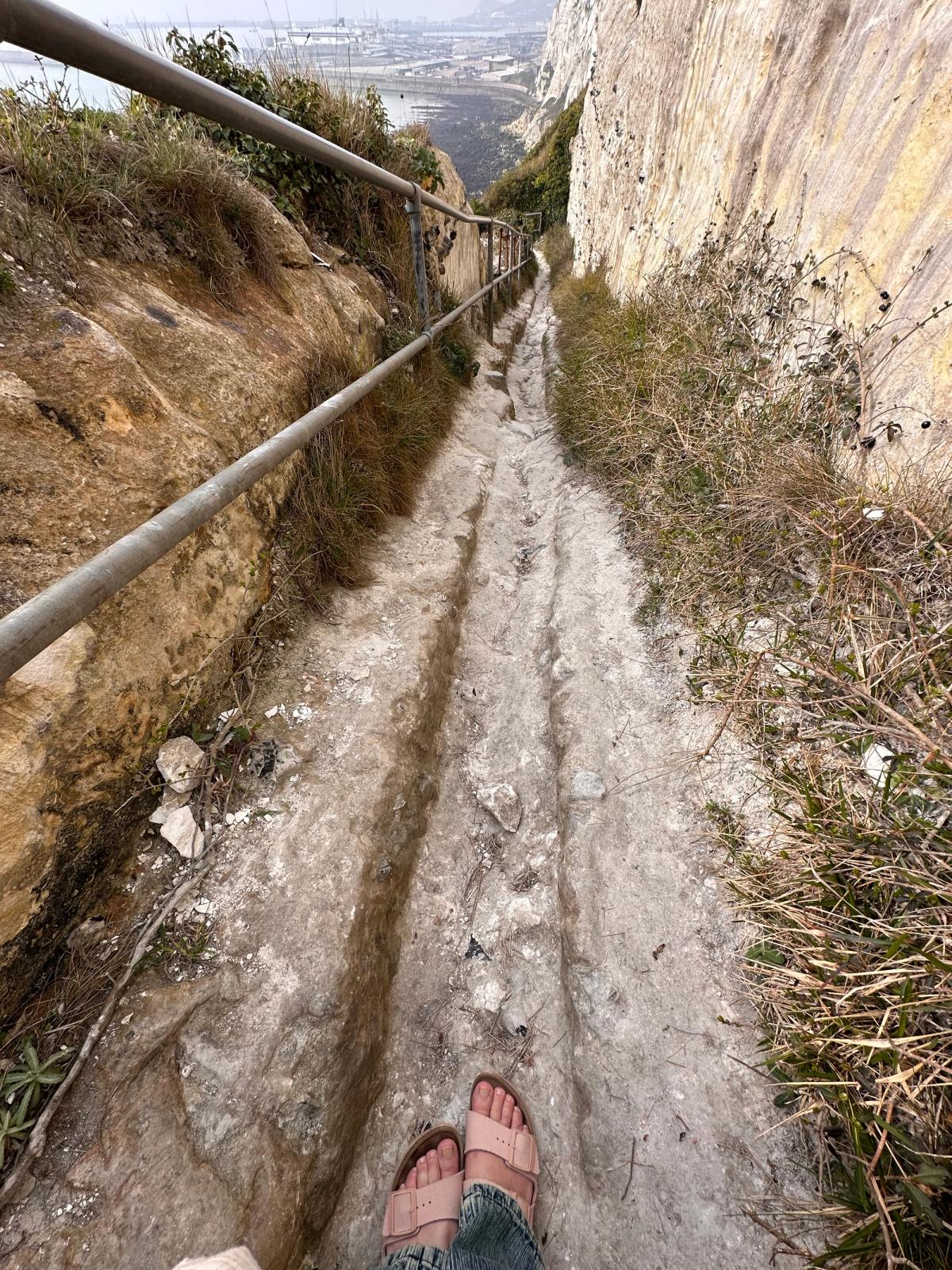
My goal was to descend the Langdon Stairs (which are not stairs at all, but a rather treacherous rocky cliff-face path) and access the wreck of the SS Falcon, which caught fire in Dover Strait in 1926. The blazing ship was refused entry to the harbour and came to rest below the cliffs.
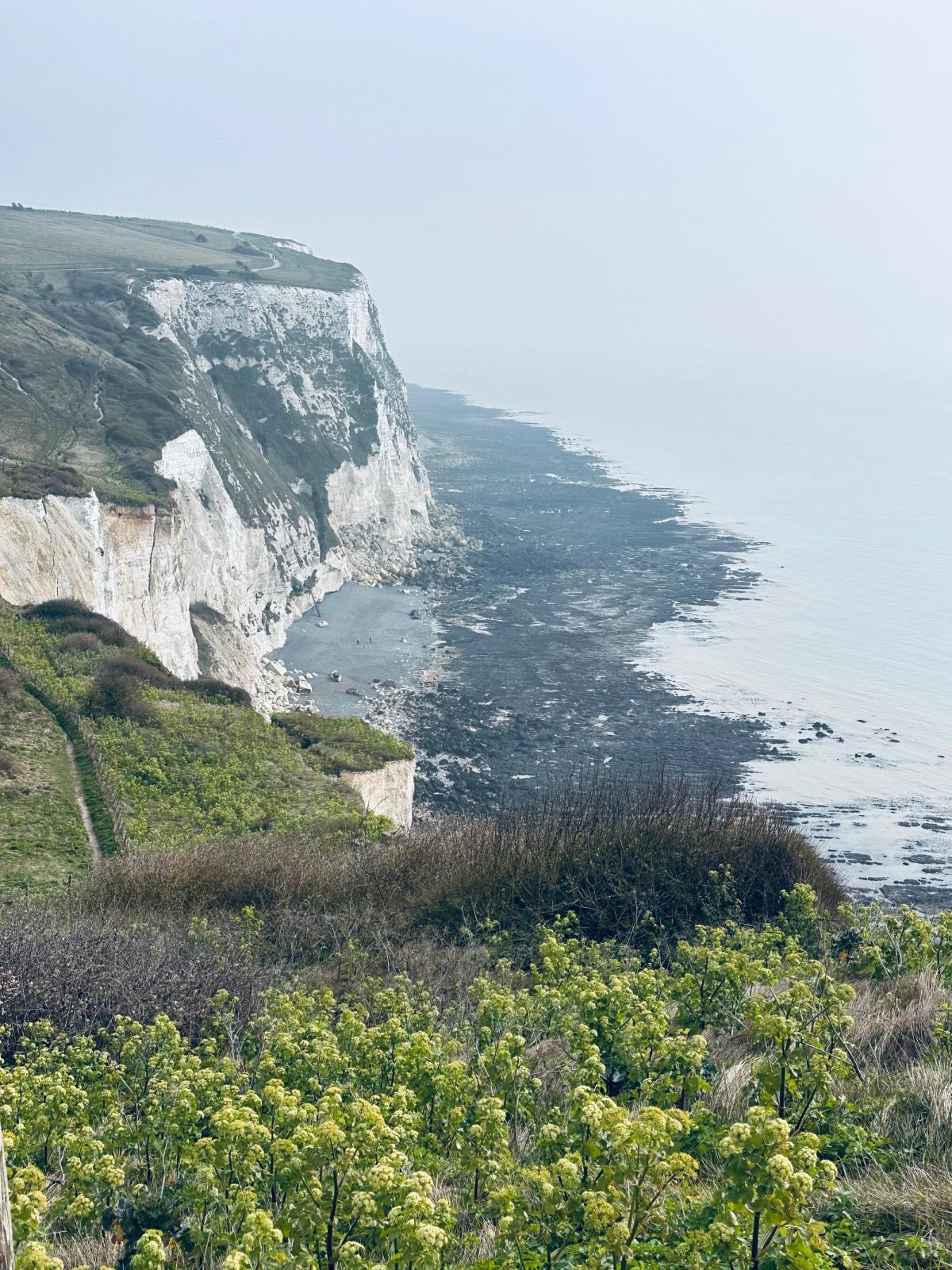
I set out for an exhilarating walk across the clifftops as the sun ascended into the sky – breathtaking morning views!

The path changed drastically upon reaching “the stairs,” where I carefully made my way down 6-7 flights of zig-zagging rock, passed through a tunnel & WWI searchlight post, and made the final climb down an iron-rung ladder to the rocky beach. Let me preface my pictures by stating that I originally intended to take a calmer walk along the more developed clifftop paths and only packed Birks… I only found out about the shipwreck once in Folkestone. But I decided to give it a go, despite the footwear. 😂 And I made it!
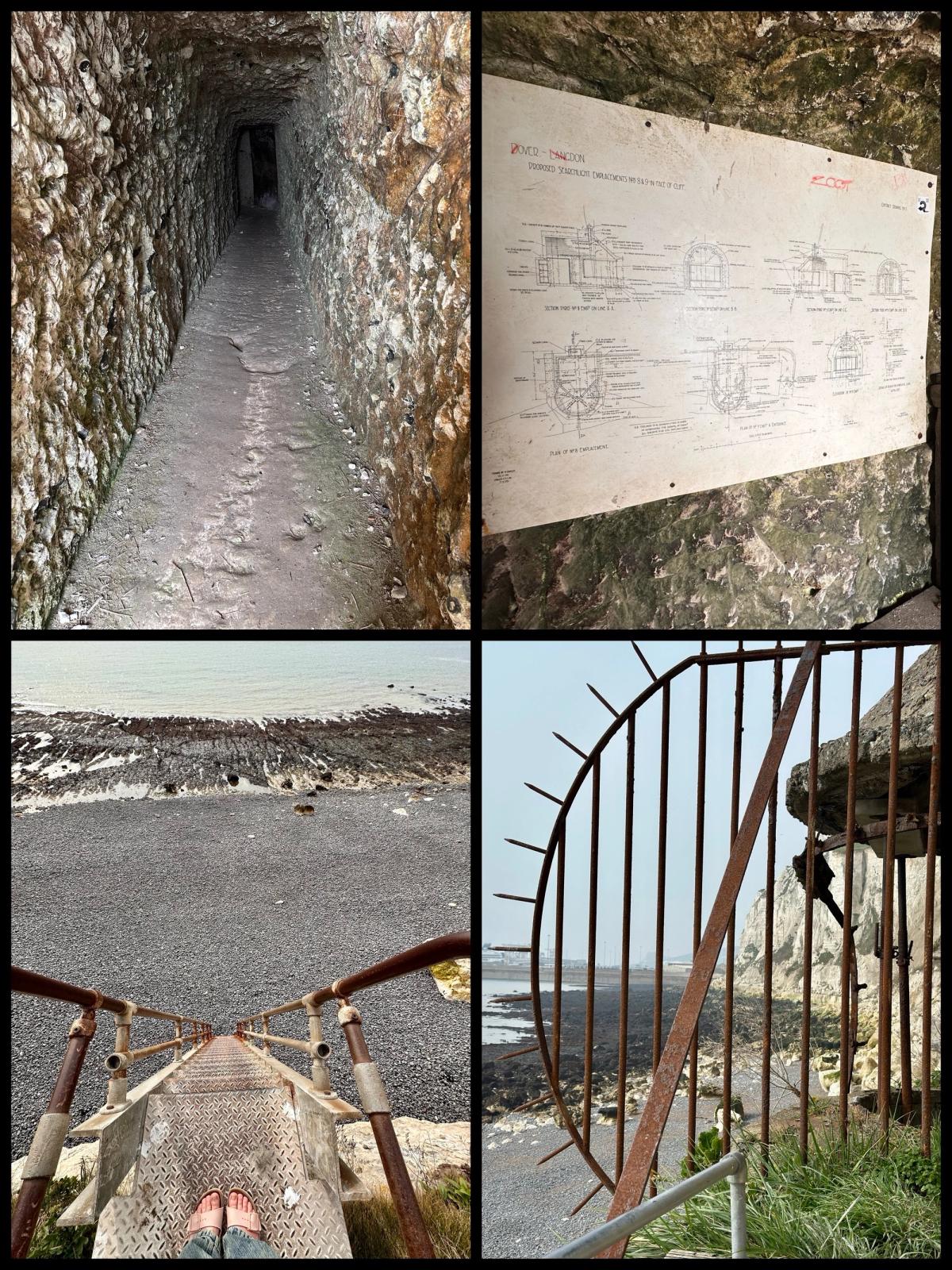
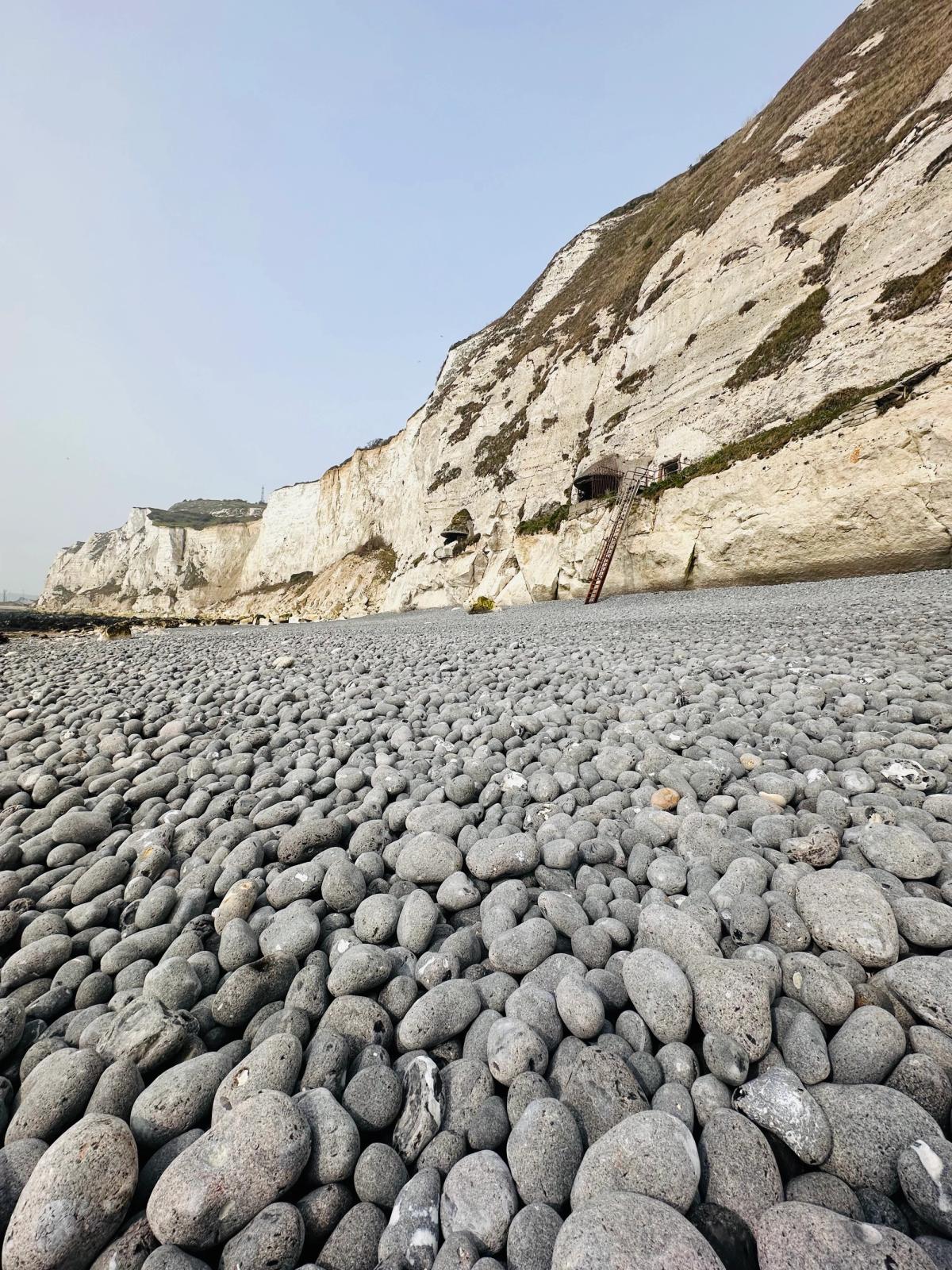
*If considering this trail yourself, please note that the National Trust guide advises to check “tide times before setting out, as the beach and the bottom of the iron rung ladder are submerged at high tide. This walk takes you close to the cliff edge. Once at the viewing point and on the zig-zag path there is a hand rail in places, but other parts of the cliff edge are not fenced and some people may need assistance. Check where the waves are breaking before descending the ladder. Stay in sight of the ladder all the time when on the beach as there is a risk of being cut off by the tide. You will not have a mobile phone signal on the zig-zag path or on the beach.”
Here are some historical tidbits I picked up during my visit, mostly from signposts along the paths and reading National Trust publications on the bus ride to town:
- The Visitor Centre actually stands on the site of a Victorian-era prison! Parliament ordered it built with the intent of using convict labor to build a naval harbor… but the men ended up sewing mail bags instead! (The harbour was eventually constructed through other means and now houses the busiest ferry port in the UK.)
- With such rugged and steep terrain, it makes sense that this site has always been used for defense. Dover Castle looms nearby, constructed for William the Conqueror in 1066. In WWII, a vast network of tunnels housed nearly 200 soldiers as they manned Fan Bay Shelter gun batteries to protect Channel routes; over the course of the war, 29 enemy vessels were damaged or sunk. Visitors can now take tours of the tunnels. Traces of proof also remain to indicate that the site was used for defense during Roman, Saxon, and Iron Age eras; even Julius Caesar described armed Britons on the clifftops who prevented his forces from landing in 55 BC.
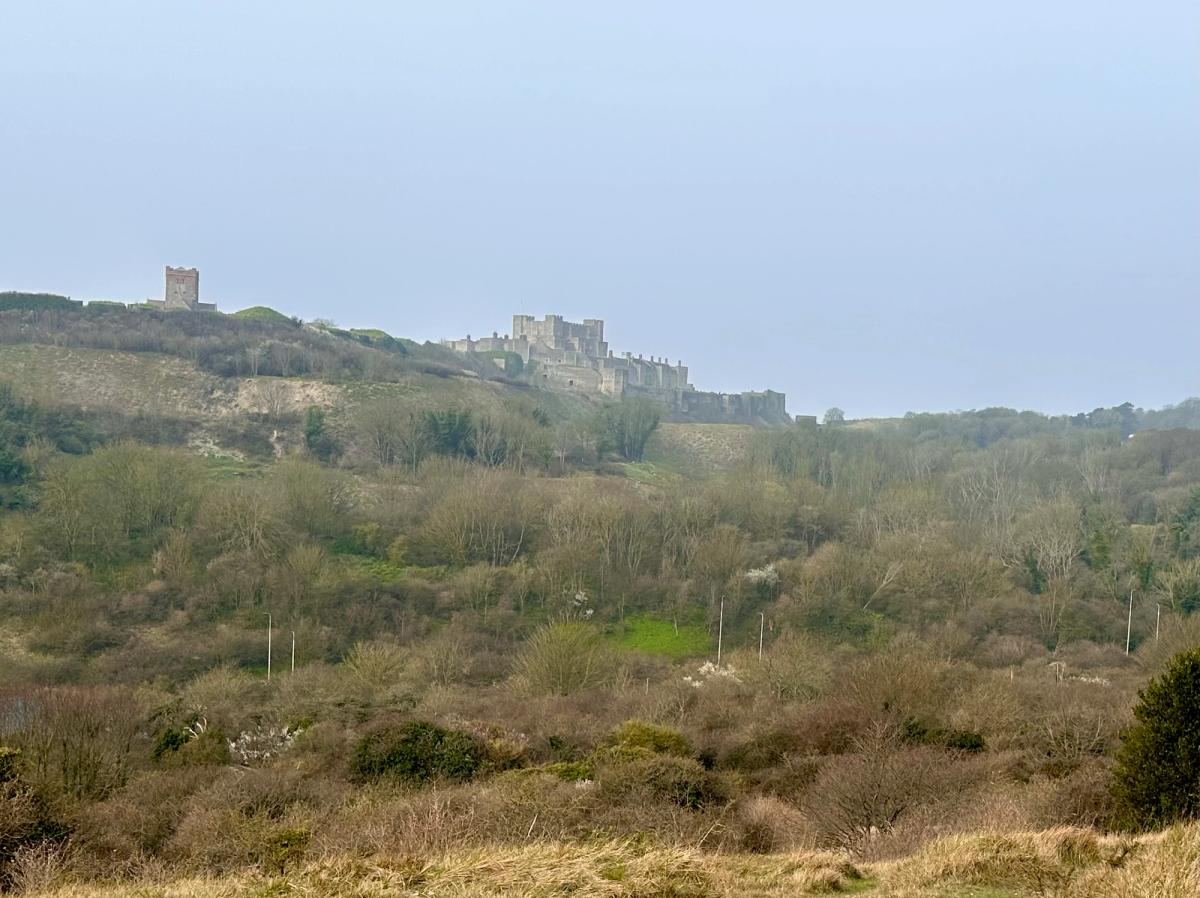
I’ve pinned a couple of good websites on my Practical Info links, below, if you’d like to learn more about the history or visitor guides. Hope you enjoyed your tour!
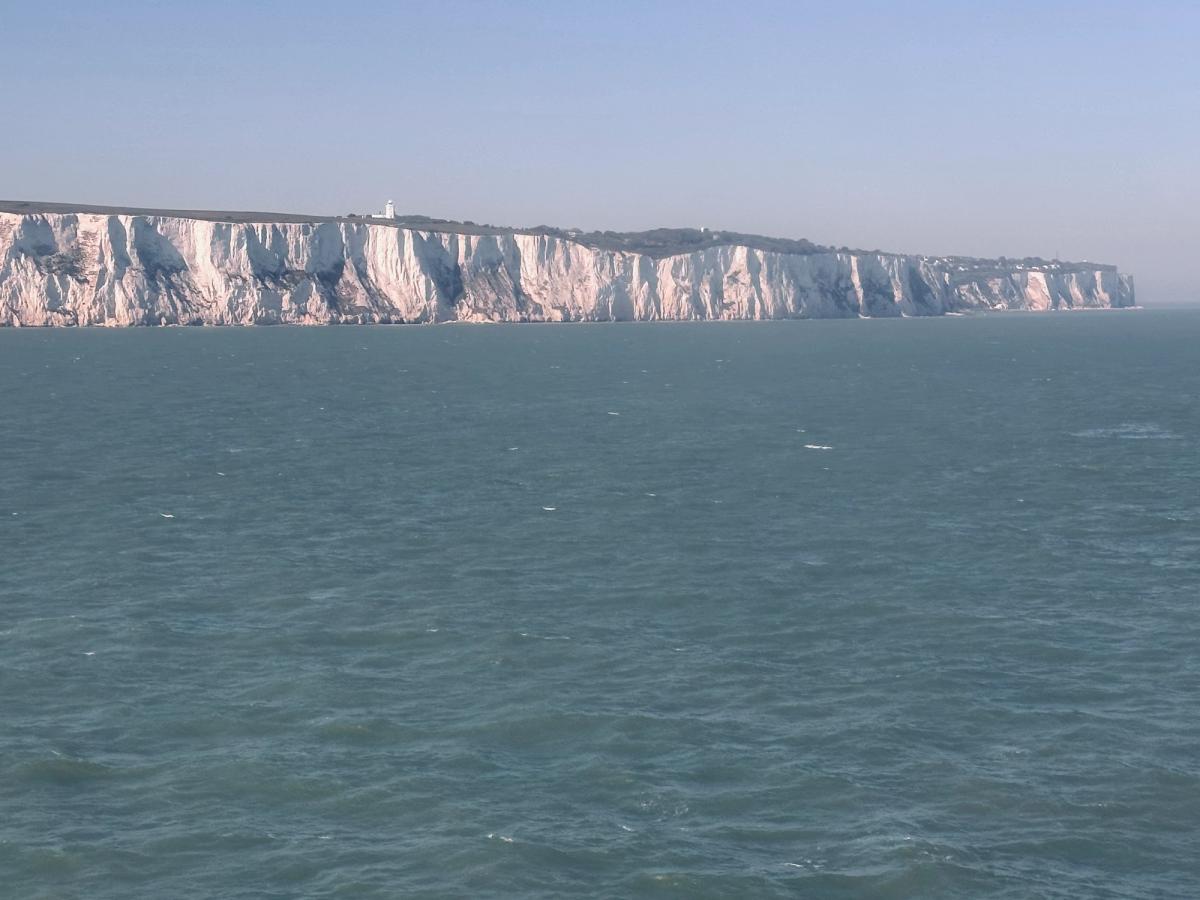
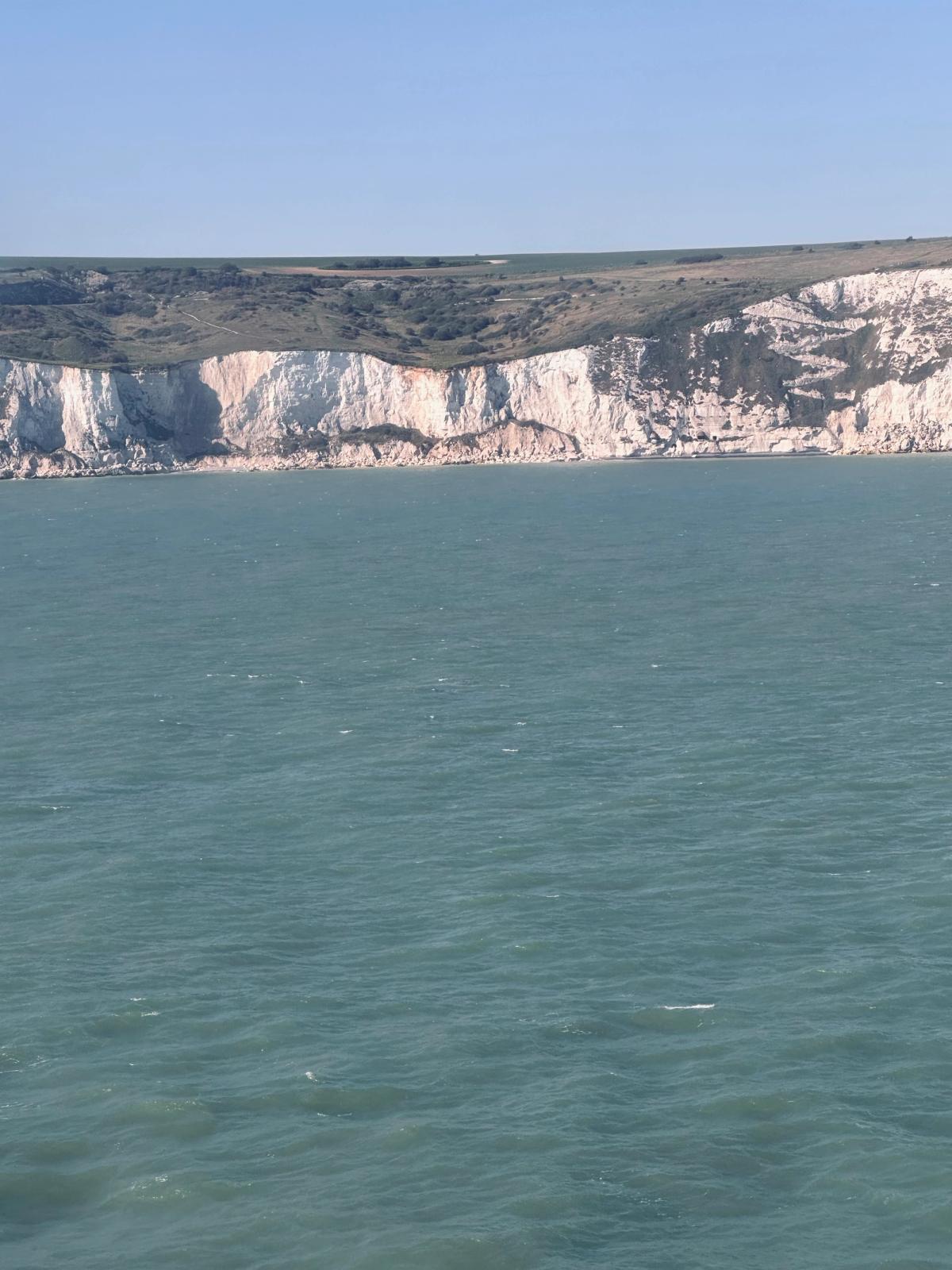
BONUS update 08 April: I ended up taking a ferry boat from Calais to Dover after spending Easter in Paris. I was able to see the Cliffs from the water, including the zig-zag path! Here are some bonus shots:

Practical information: