Travel With Me to: York
Vikings, Romans, Chocolatiers – the stuff of legends!

Travel With Me to:
York for a day
Feelings felt: Connection to past eras
Vikings, Romans, Chocolatiers – the stuff of legends! A walk through York will draw you into the spirit of centuries past. I had only one day before attending a nearby conference, so I made sure to wear comfy shoes and hit the ground running as soon as I arrived.
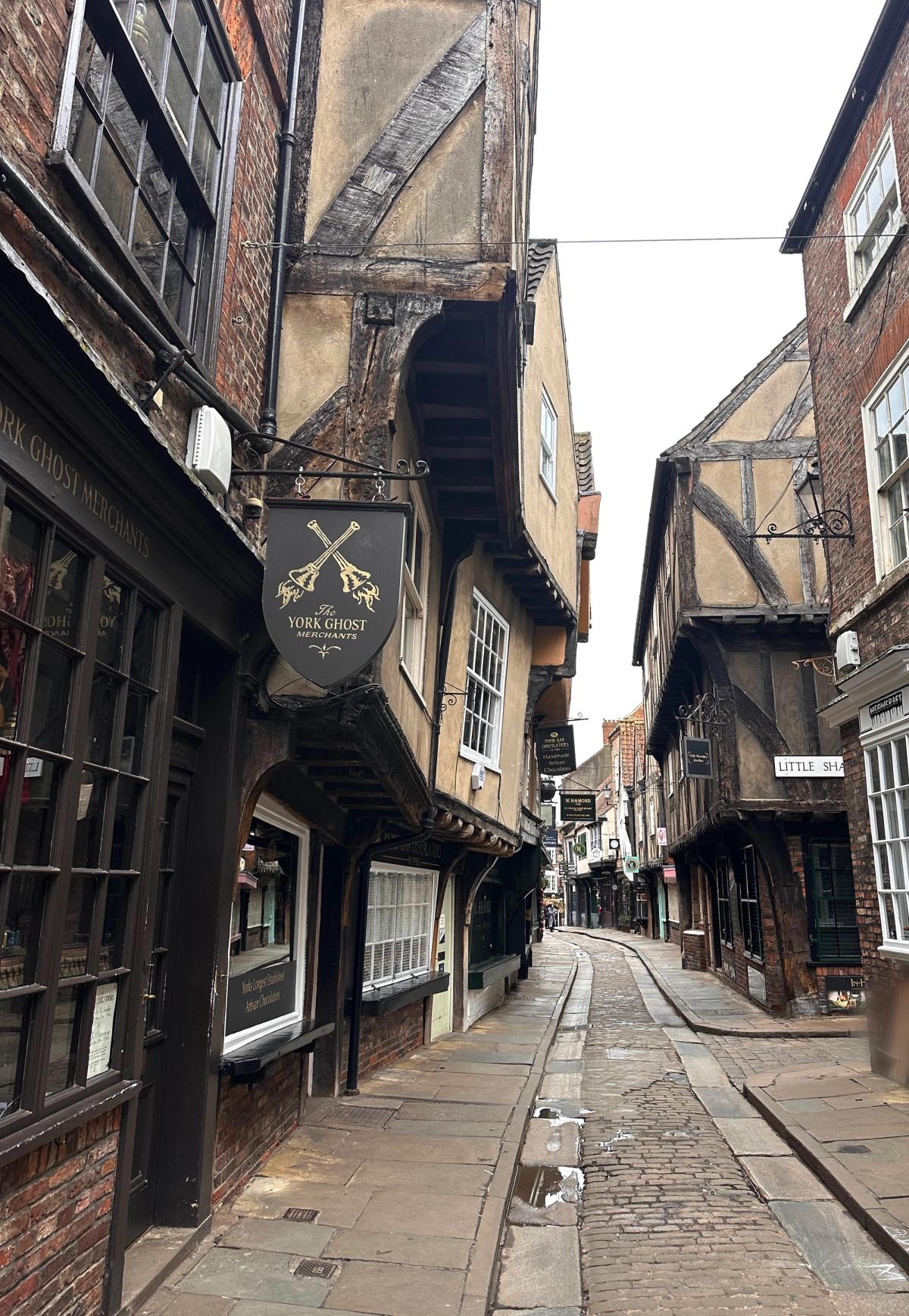
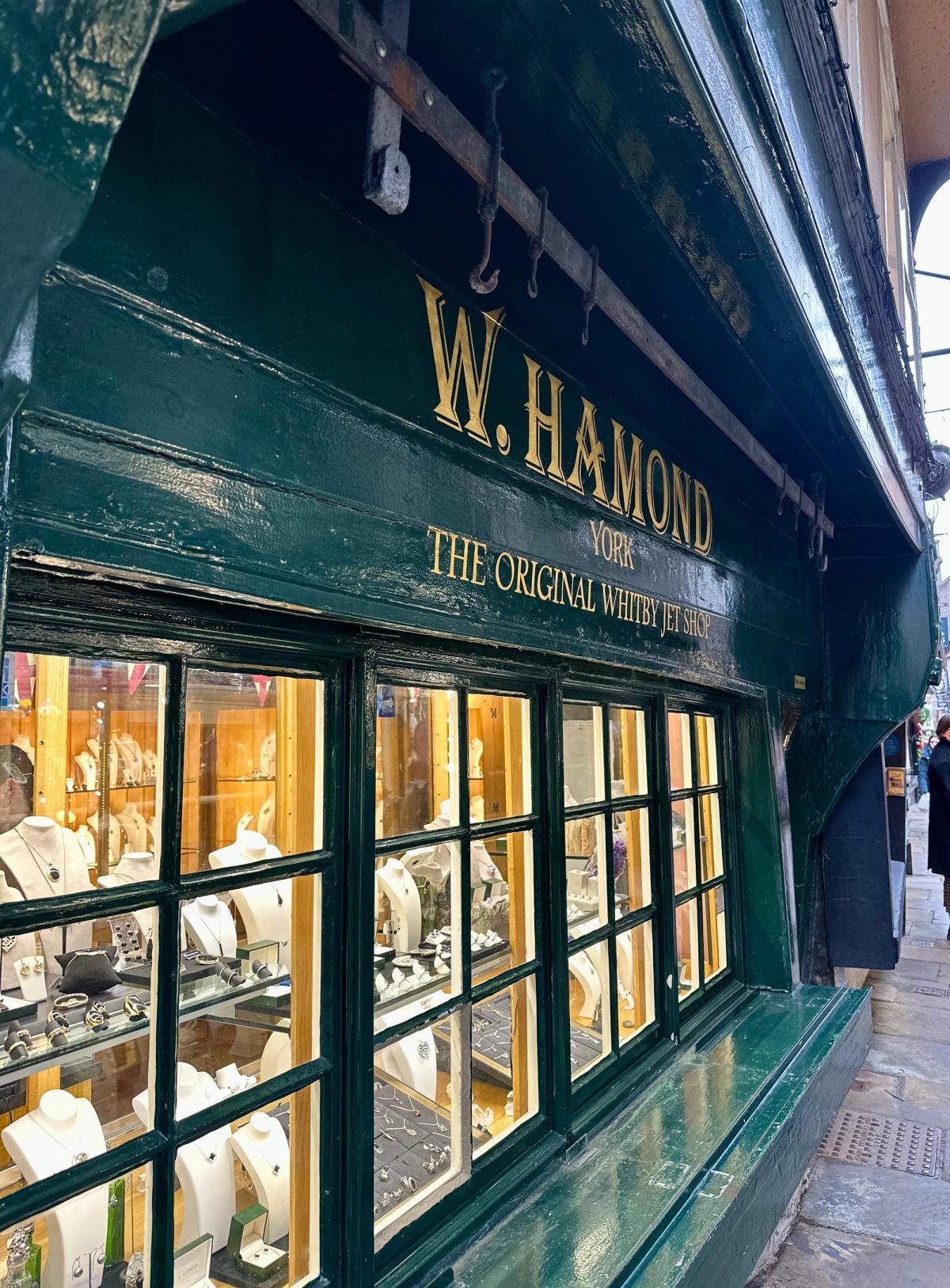
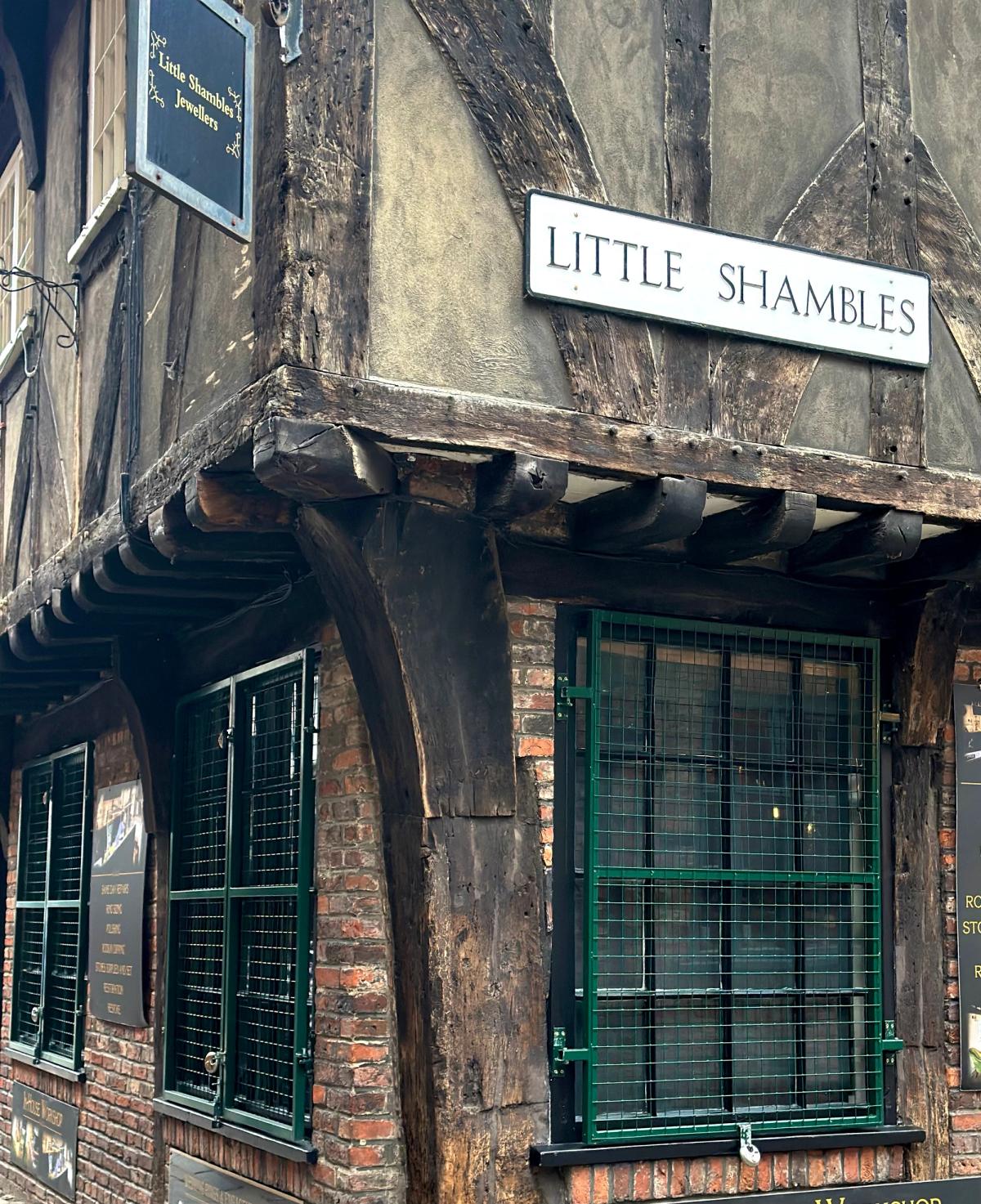
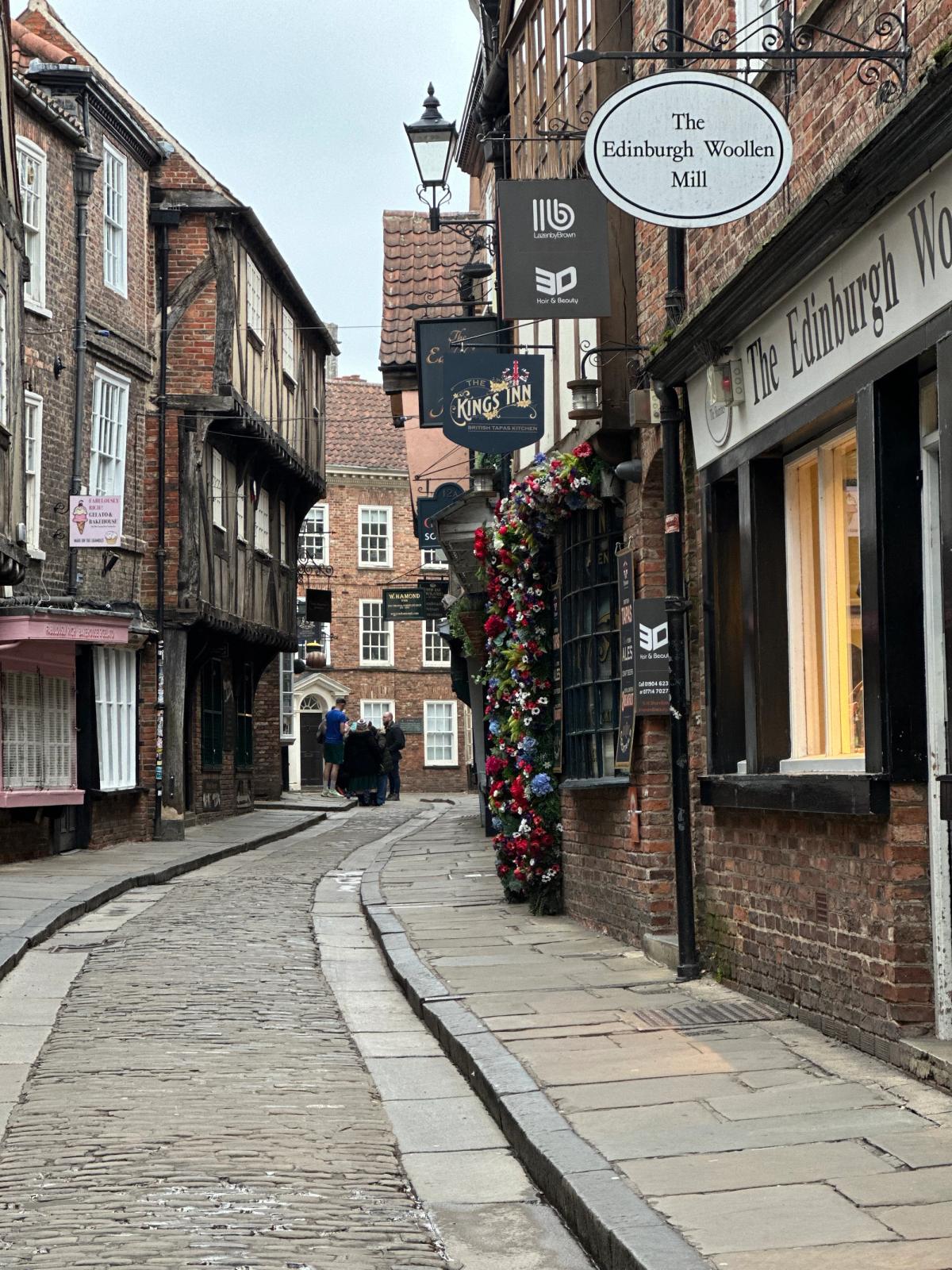
During this visit, I most wanted to wander through the Shambles. A maze of narrow, medieval cobbled lanes and jettied buildings, the Shambles provides a glimpse of what life felt like 800 years ago. Interestingly, while the word now indicates chaos, a friend shared that it derives from the Old English sċeamols, or meat vendors’ stalls. In original shops, cuts of meat were laid out on open ledges or hung from low hooks in window moulds. Streets were designed to be shielded from sunlight, prolonging “shelf life.” (It seems offal and waste running through crowded streets would render those attempts futile, but I guess one counters where one is able!) Thankfully, nowadays, shops are mostly cafés and boutiques, and streets beckon visitors to explore.
York history began with the Romans, who built Eboracum in 71 AD as a fort. Glimpses of Roman framework are visible in the bath house, lower portions of multangular tower and city walls, and cathedral undercroft. In Viking times, York grew to be the second-largest city in England and key to controlling northern lands. Viking leaders held power over the city – called Jörvik – from the 800s until 1066, when they were tricked by an English army during a proposed hostage-exchange.
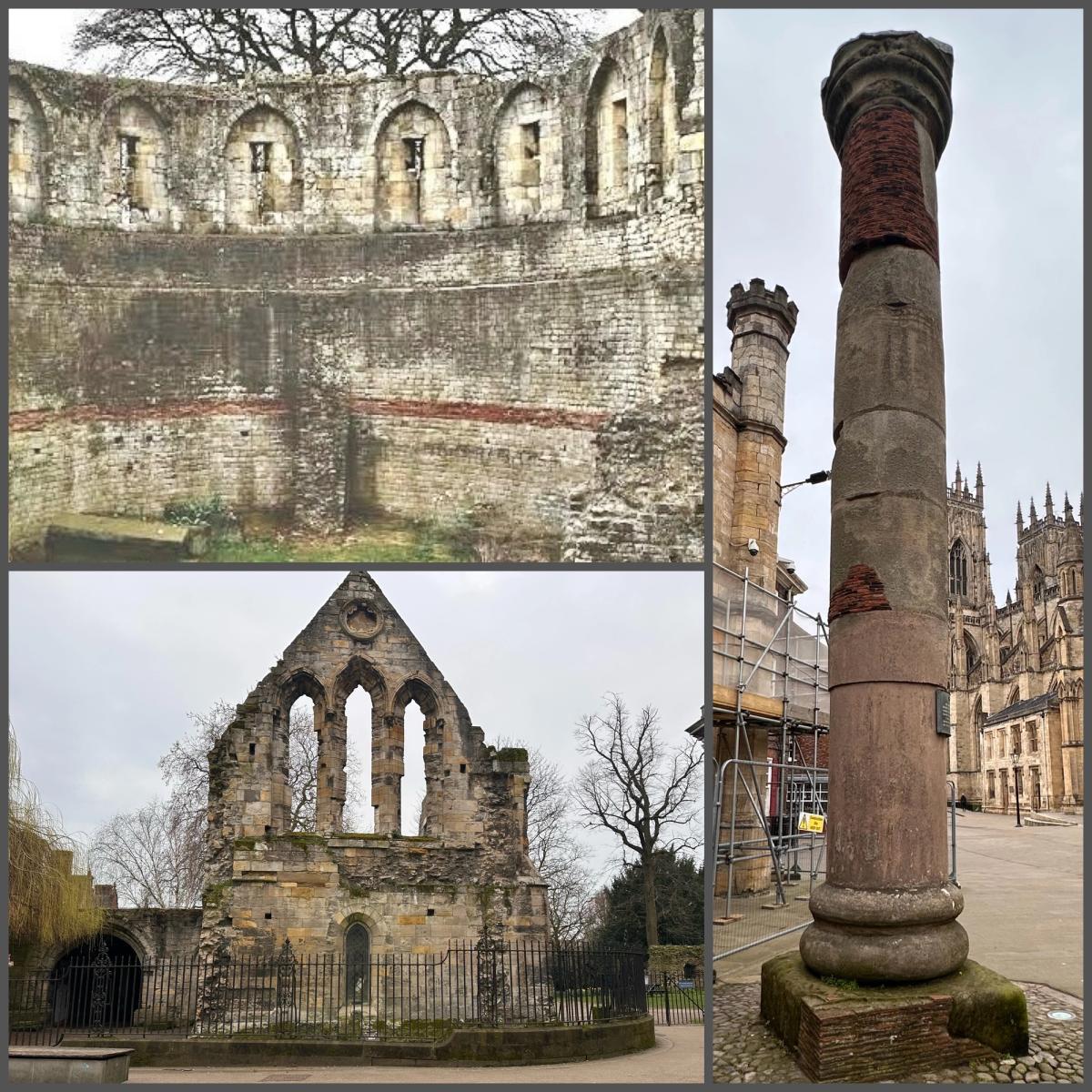
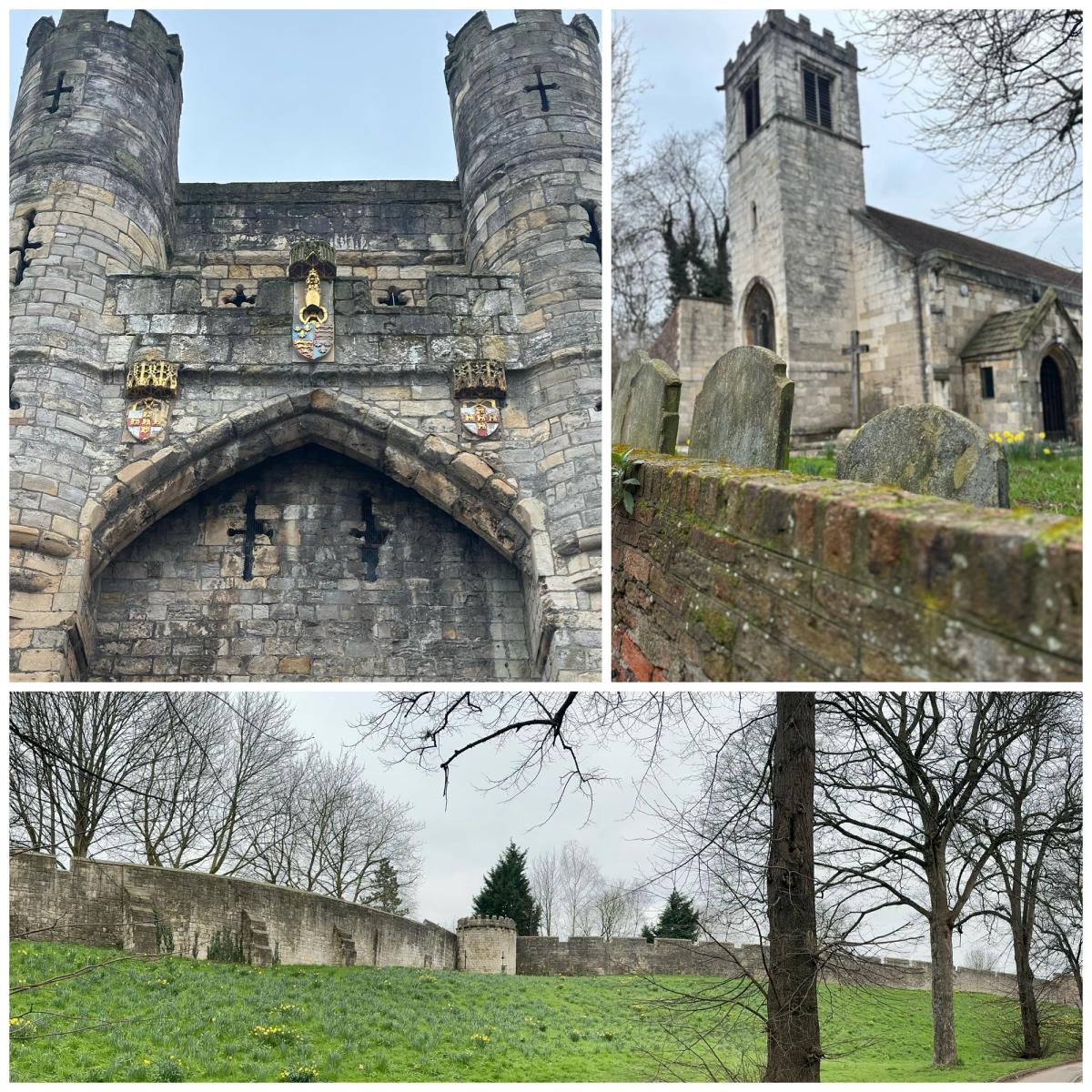
True to its fortified history, two miles of stone walls still surround York. What we currently see was constructed in medieval times, early 1000s, over top of ancient roman and Viking foundations. Access to the top was gated during my early-morning attempt to climb, but I walked along the outside and inside perimeter, passing two Bars (gatehouses) and the multangular tower. Clifford’s Tower, first constructed by William the Conqueror, also stands at the ready as protector of medieval kings.
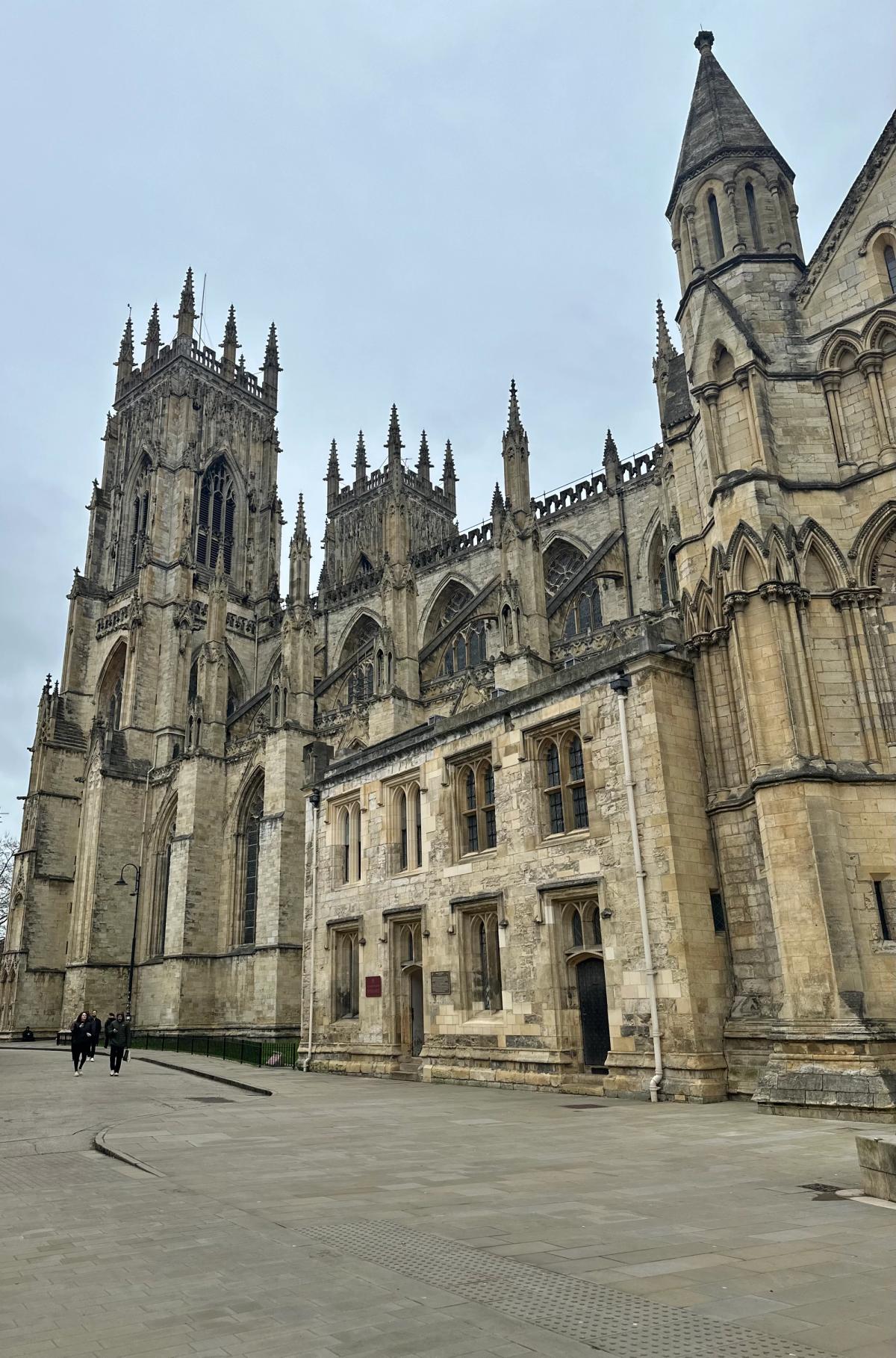
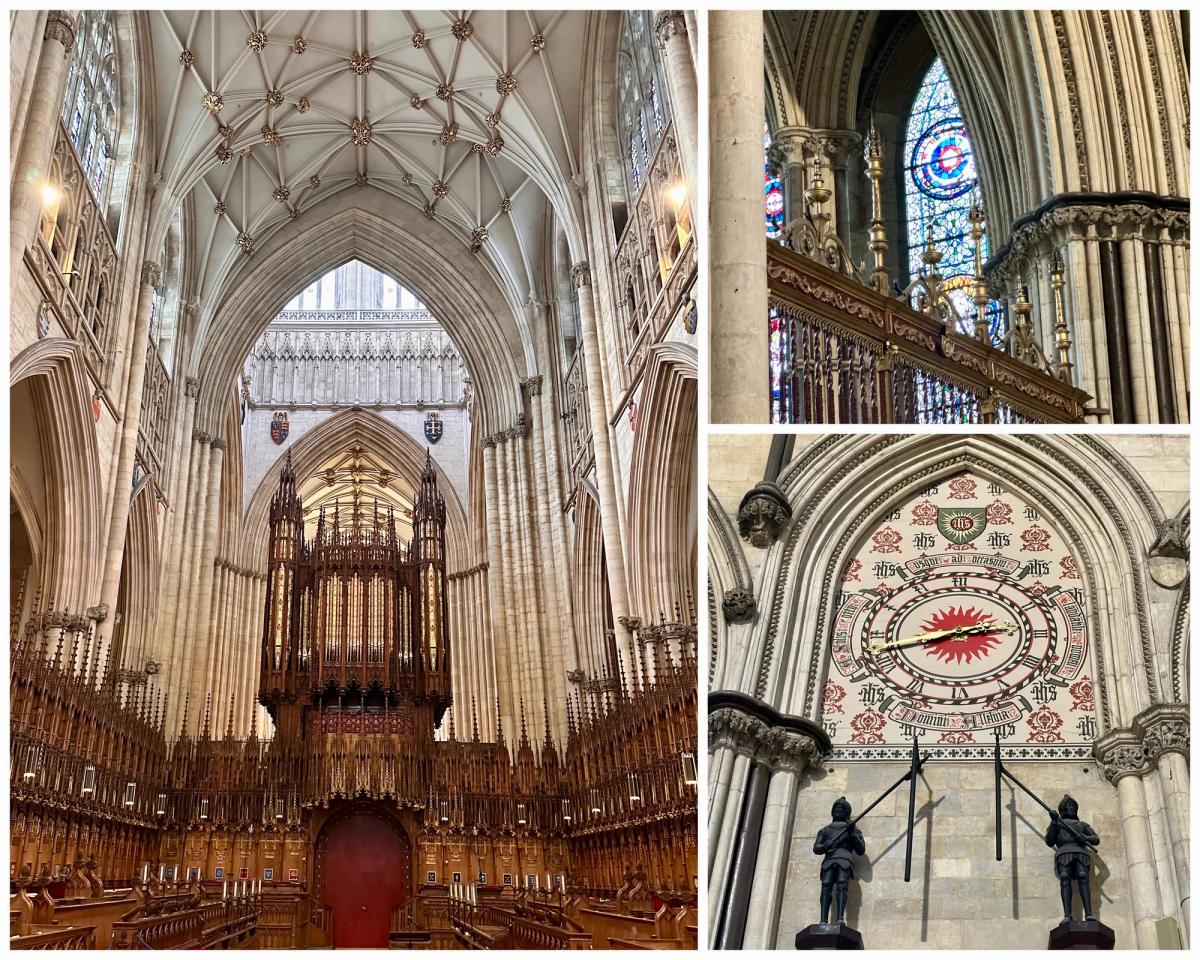
Another highlight was York Minster, seat of the Anglican Archbishop of York and one of the most important cathedrals in England. Clergy, royalty, and the canonized Saint William of York lay at rest inside. Built in the Gothic style, the current cathedral dates to the 1200s-1400s but was erected on the site of much earlier houses of worship. The glasswork and nave are especially stunning! Free, guided tours provide insight into history and little details that might be passed-over in an independent walk-through, so I’d definitely recommend joining one.
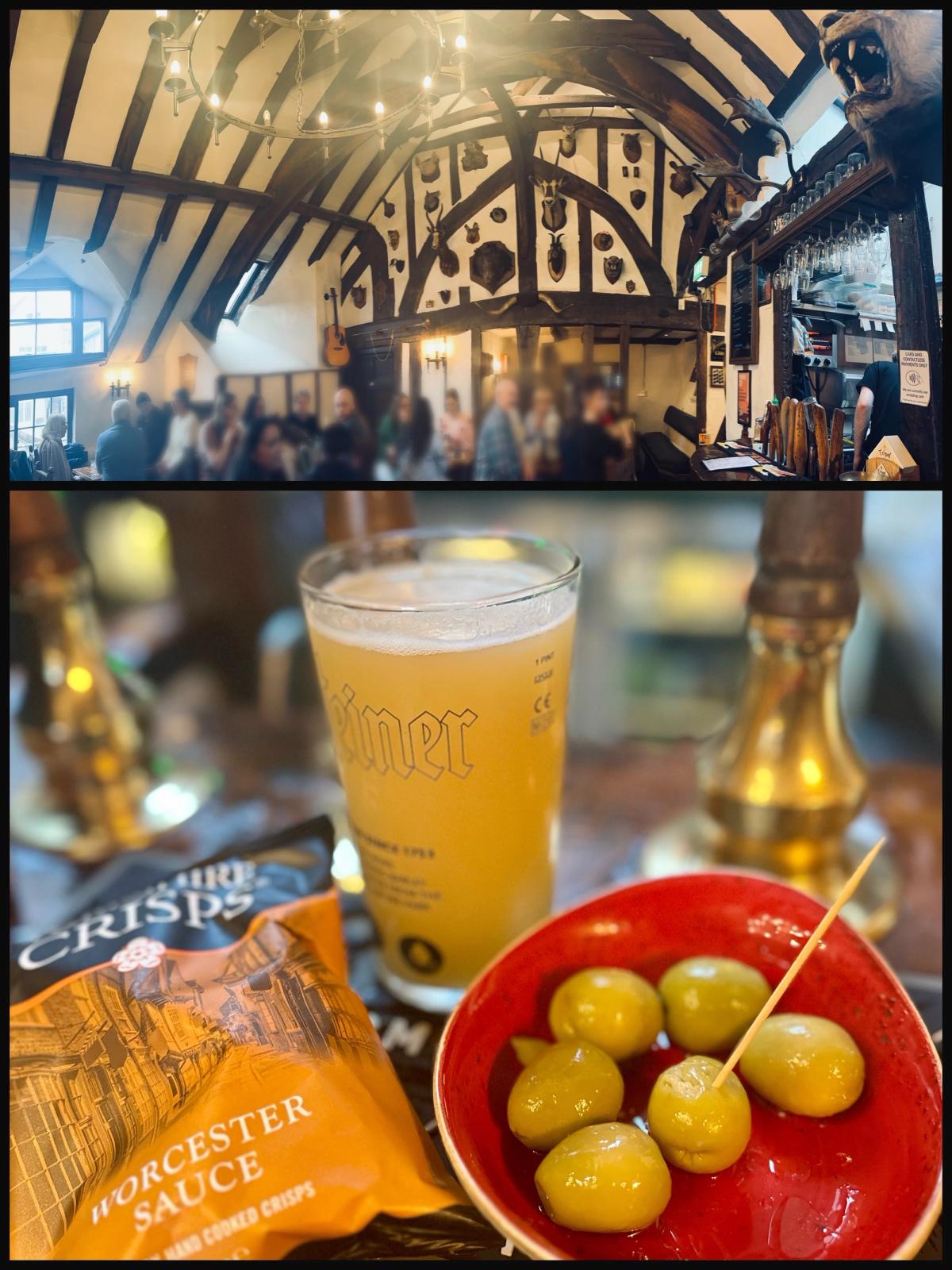
Lastly, on a lighter and more modern note, do you remember I’d mentioned chocolatiers? That’s because I wanted to be sure to highlight some fun connections York has to food and treats! Three famous confectioners started out here: Terry’s of York, Rowntree’s of York, and Cravens (hey!) in the 1800s. You’ve probably tried a Terry’s orange, but did you know that his first chocolate “fruit” was actually an apple? Rowntree’s claims to fame include KitKat & Aero bars, while Cravens is known for humbugs & French almonds. Visitors can’t see these treats being made, but you can spend a little time in York’s Chocolate Experience for some candy-related fun. I opted instead for a different brand of York fun, at The Trembling Madness pub! This lively room sits atop a bottle seller and offers-up draughts from both cask and keg, along with comfort food and one more chance to let your imagination whisk you away to past eras in Yorkshire before you leave!
Practical information: